
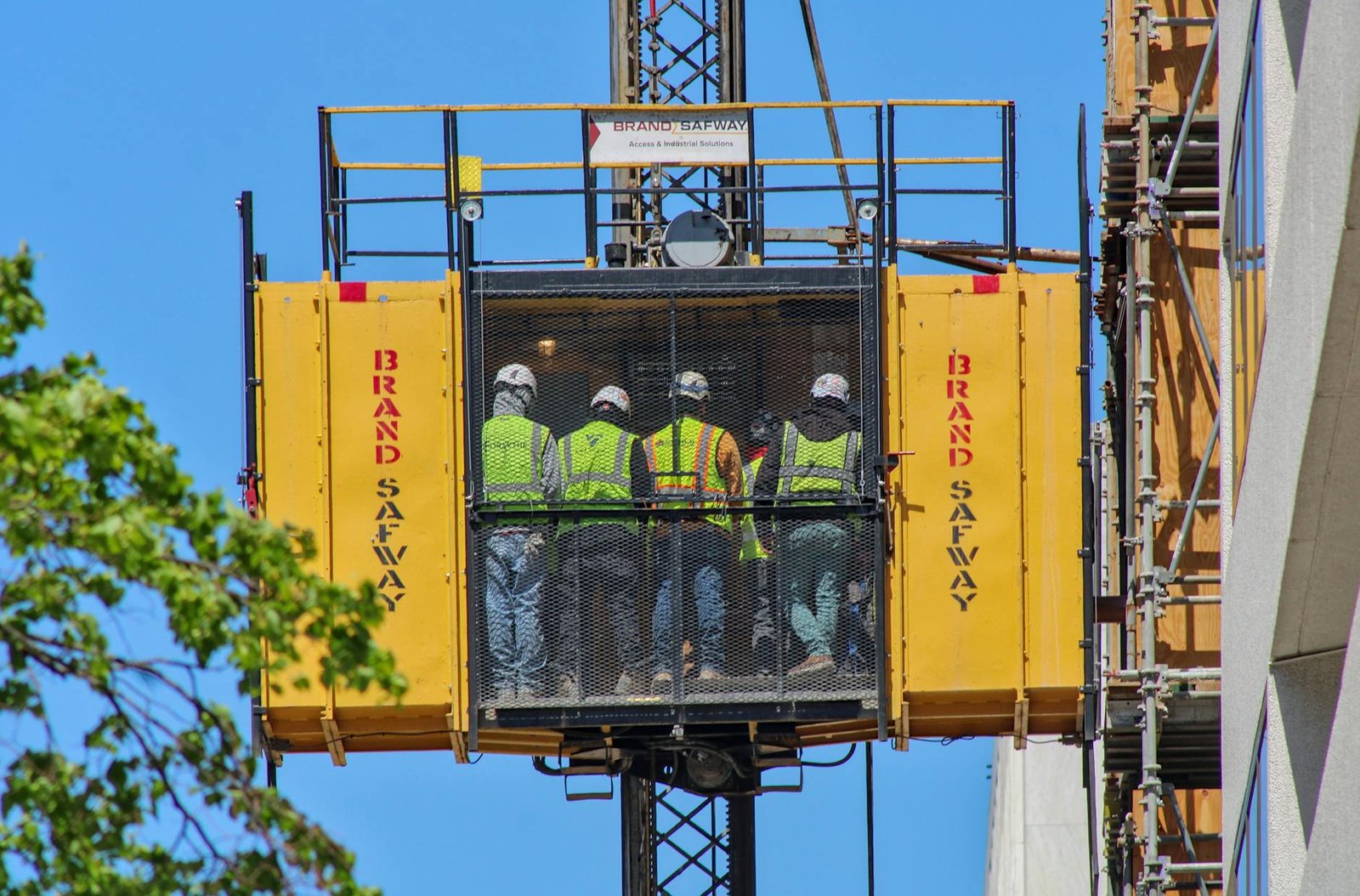
How to Start a Commercial Construction Company in the UK
**Commercial construction is a different world to residential work.** The contracts are bigger, the procurement process is more formal, and the margins can be significantly better – but so are the barriers to entry, the compliance requirements, and the consequences of getting things wrong.
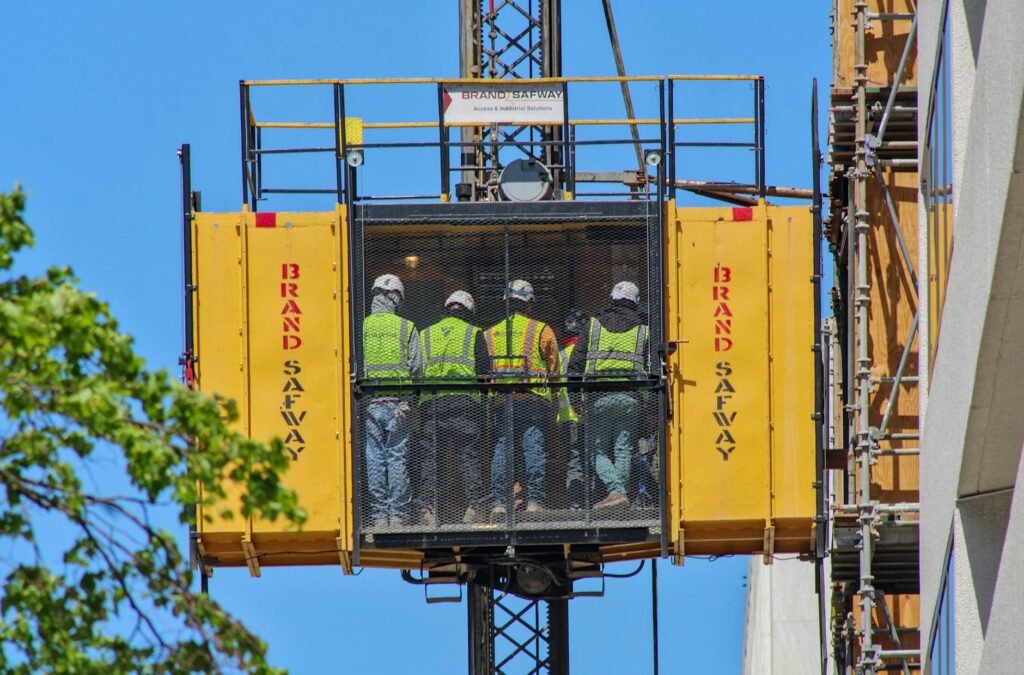 This guide is for builders and construction professionals looking to move from domestic work into commercial contracting, or to set up a business specifically targeting commercial clients from day one.
—
## What Commercial Construction Actually Means
“Commercial construction” covers a broad range of work:
– Office fit-outs and refurbishments
– Retail and hospitality build-outs
– Industrial units and warehouses
– Healthcare and education facilities
– Multi-unit residential developments
– Infrastructure and civil engineering
The common thread is that your client is typically a business, a developer, or a public body – not a homeowner. This changes almost everything about how you operate.
—
## How Commercial Construction Differs From Domestic
| Area | Domestic | Commercial |
|—|—|—|
| Contract | Simple quote + terms | JCT or NEC contracts, often 20-100 pages |
| Procurement | Usually direct approach | Tender process, pre-qualification questionnaires |
| Payment | On completion or milestone | Interim applications, retention, 30-60 day terms |
| Insurance | £2m public liability | £5m-10m public liability, professional indemnity often required |
| Health & Safety | Basic site management | Full H&S plan, CDM regulations, site inductions |
| VAT | Usually 20% | Complex – zero rate on new builds, VAT reverse charge on subcontractor invoices |
This guide is for builders and construction professionals looking to move from domestic work into commercial contracting, or to set up a business specifically targeting commercial clients from day one.
—
## What Commercial Construction Actually Means
“Commercial construction” covers a broad range of work:
– Office fit-outs and refurbishments
– Retail and hospitality build-outs
– Industrial units and warehouses
– Healthcare and education facilities
– Multi-unit residential developments
– Infrastructure and civil engineering
The common thread is that your client is typically a business, a developer, or a public body – not a homeowner. This changes almost everything about how you operate.
—
## How Commercial Construction Differs From Domestic
| Area | Domestic | Commercial |
|—|—|—|
| Contract | Simple quote + terms | JCT or NEC contracts, often 20-100 pages |
| Procurement | Usually direct approach | Tender process, pre-qualification questionnaires |
| Payment | On completion or milestone | Interim applications, retention, 30-60 day terms |
| Insurance | £2m public liability | £5m-10m public liability, professional indemnity often required |
| Health & Safety | Basic site management | Full H&S plan, CDM regulations, site inductions |
| VAT | Usually 20% | Complex – zero rate on new builds, VAT reverse charge on subcontractor invoices |
 If you’re coming from domestic work, expect a steep learning curve on contracts and compliance. The upside is that once you’re established, commercial work is often more predictable and more profitable per day than residential.
—
## Step 1: Structure Your Business for Commercial Work
A sole trader can win commercial contracts, but a **limited company** is strongly preferred by most commercial clients. It signals permanence, limits your personal liability on large contracts, and is a prerequisite for some public sector work.
You’ll also need:
– **Companies House registration** – £50 online
– **VAT registration** – almost always necessary for commercial work; most commercial clients are VAT registered and expect proper VAT invoices
– **A business bank account** – separate from personal finances, essential for proper accounts
– **An accountant** with construction industry experience – VAT reverse charge and CIS alone justify the cost
—
## Step 2: Get the Right Certifications and Accreditations
Commercial clients have higher compliance requirements. Before targeting commercial work, make sure you have:
**Health & Safety:**
– CSCS cards for all workers on site
– CITB Health, Safety & Environment test (required for most CSCS cards)
– Site manager SMSTS or supervisor SSSTS qualifications for site management roles
**Trade-specific certifications:**
– Gas Safe, NICEIC, or equivalent for relevant trades
– IPAF for powered access platforms
– PASMA for mobile scaffold towers
**Business accreditations:**
– **Constructionline** – the most widely required pre-qualification scheme for UK construction. A Gold or Platinum membership unlocks most commercial tender opportunities
– **SafeContractor or CHAS** – health & safety accreditation schemes required by many commercial clients
– **ISO 9001** – quality management standard; required for larger contracts but worth targeting as you grow
Don’t try to achieve everything at once. Start with Constructionline and CSCS/SMSTS – these unlock the most opportunities.
—
## Step 3: Understand Commercial Contracts
You will encounter **JCT (Joint Contracts Tribunal)** contracts on most UK commercial construction projects. These are industry-standard contracts covering:
– Scope of works
– Payment terms and interim applications
– Variation procedures
– Defects liability period
– Retention (typically 3-5% held back until defects are rectified)
– Dispute resolution procedures
Never sign a JCT contract without reading it fully or having a solicitor review it. The payment and variation clauses in particular can significantly affect your cash flow.
**CIS (Construction Industry Scheme)** – when working as a subcontractor for a main contractor, CIS deductions apply. Register on the HMRC CIS scheme to ensure you’re deducted at 20% rather than 30%.
—
## Step 4: Find Your First Commercial Clients
Commercial work is won differently to domestic. The main routes are:
**Tender portals:**
– **Contracts Finder** (gov.uk) – free, lists all public sector contracts above £10,000
– **Find a Tender Service** – larger public contracts
– **Constructionline marketplace** – private sector opportunities for registered members
**Direct approach:**
– Commercial property management companies maintain preferred supplier lists – approach them directly with your credentials and accreditations
– Letting agents managing commercial properties need reliable maintenance contractors
– Developers doing multiple projects often use the same subcontractors repeatedly – get on one project and you’re in
**Networking:**
– Local Chamber of Commerce events
– Construction industry networks like the FMB or CIOB
– LinkedIn – far more useful for commercial construction than for domestic
—
## Step 5: Master the Financials
Commercial construction has different cash flow dynamics to domestic work:
**Payment applications** – on larger contracts you submit monthly interim payment applications showing work completed to date. The client (or their QS) assesses and certifies the amount. Payment is typically due 30 days after certification.
**Retention** – typically 3-5% of each payment is retained until practical completion, then half released. The balance is released after the defects liability period (usually 12 months). Plan your cash flow around this – retention can represent significant money tied up for over a year.
**Variations** – additional work outside the original scope must be instructed in writing and agreed before you carry it out. Verbal instructions don’t exist on commercial sites. Unvalued variations are one of the most common sources of loss in construction.
—
## Frequently Asked Questions
**What turnover do I need to target commercial construction work?**
There’s no minimum, but clients for larger commercial contracts will want to see that your turnover is comparable to the contract value – typically they want the contract to represent no more than 25-30% of your annual turnover. This protects them from a situation where one contract going wrong collapses your business. Start with smaller commercial contracts and build your track record.
**What insurance do I need for commercial construction?**
At minimum: public liability of £5m (many commercial clients require £10m), employers liability of £10m (legally required if you employ anyone), and contract works insurance. Professional indemnity is required if you provide any design or specification service. Check the specific requirements in the tender or contract documents – they vary.
**Do I need a quantity surveyor?**
Not initially, but as you grow into larger contracts it becomes essential. A QS prepares and manages cost plans, prices bills of quantities, and manages variations and claims. You can use freelance QS services initially rather than employing one.
**What is CDM and does it apply to my work?**
The Construction (Design and Management) Regulations 2015 apply to virtually all construction projects. On projects lasting more than 30 working days with more than 20 workers simultaneously, or exceeding 500 person-days, a Principal Designer and Principal Contractor must be formally appointed. Understanding your CDM duties is essential before taking on commercial contracts.
**How long does it take to win a first commercial contract?**
From starting the process to first payment, allow 6-12 months. Getting Constructionline registered takes 4-6 weeks. Tender processes typically run 4-8 weeks. Project start can be weeks or months after contract award. It’s a slow burn – but once you’re in, repeat business is common.
—
*CoreQuote is a quoting and invoice app for construction businesses. Professional quotes and invoices from your phone. [Try free for 6 months at kwowta.com](https://kwowta.com).*
—
If you’re coming from domestic work, expect a steep learning curve on contracts and compliance. The upside is that once you’re established, commercial work is often more predictable and more profitable per day than residential.
—
## Step 1: Structure Your Business for Commercial Work
A sole trader can win commercial contracts, but a **limited company** is strongly preferred by most commercial clients. It signals permanence, limits your personal liability on large contracts, and is a prerequisite for some public sector work.
You’ll also need:
– **Companies House registration** – £50 online
– **VAT registration** – almost always necessary for commercial work; most commercial clients are VAT registered and expect proper VAT invoices
– **A business bank account** – separate from personal finances, essential for proper accounts
– **An accountant** with construction industry experience – VAT reverse charge and CIS alone justify the cost
—
## Step 2: Get the Right Certifications and Accreditations
Commercial clients have higher compliance requirements. Before targeting commercial work, make sure you have:
**Health & Safety:**
– CSCS cards for all workers on site
– CITB Health, Safety & Environment test (required for most CSCS cards)
– Site manager SMSTS or supervisor SSSTS qualifications for site management roles
**Trade-specific certifications:**
– Gas Safe, NICEIC, or equivalent for relevant trades
– IPAF for powered access platforms
– PASMA for mobile scaffold towers
**Business accreditations:**
– **Constructionline** – the most widely required pre-qualification scheme for UK construction. A Gold or Platinum membership unlocks most commercial tender opportunities
– **SafeContractor or CHAS** – health & safety accreditation schemes required by many commercial clients
– **ISO 9001** – quality management standard; required for larger contracts but worth targeting as you grow
Don’t try to achieve everything at once. Start with Constructionline and CSCS/SMSTS – these unlock the most opportunities.
—
## Step 3: Understand Commercial Contracts
You will encounter **JCT (Joint Contracts Tribunal)** contracts on most UK commercial construction projects. These are industry-standard contracts covering:
– Scope of works
– Payment terms and interim applications
– Variation procedures
– Defects liability period
– Retention (typically 3-5% held back until defects are rectified)
– Dispute resolution procedures
Never sign a JCT contract without reading it fully or having a solicitor review it. The payment and variation clauses in particular can significantly affect your cash flow.
**CIS (Construction Industry Scheme)** – when working as a subcontractor for a main contractor, CIS deductions apply. Register on the HMRC CIS scheme to ensure you’re deducted at 20% rather than 30%.
—
## Step 4: Find Your First Commercial Clients
Commercial work is won differently to domestic. The main routes are:
**Tender portals:**
– **Contracts Finder** (gov.uk) – free, lists all public sector contracts above £10,000
– **Find a Tender Service** – larger public contracts
– **Constructionline marketplace** – private sector opportunities for registered members
**Direct approach:**
– Commercial property management companies maintain preferred supplier lists – approach them directly with your credentials and accreditations
– Letting agents managing commercial properties need reliable maintenance contractors
– Developers doing multiple projects often use the same subcontractors repeatedly – get on one project and you’re in
**Networking:**
– Local Chamber of Commerce events
– Construction industry networks like the FMB or CIOB
– LinkedIn – far more useful for commercial construction than for domestic
—
## Step 5: Master the Financials
Commercial construction has different cash flow dynamics to domestic work:
**Payment applications** – on larger contracts you submit monthly interim payment applications showing work completed to date. The client (or their QS) assesses and certifies the amount. Payment is typically due 30 days after certification.
**Retention** – typically 3-5% of each payment is retained until practical completion, then half released. The balance is released after the defects liability period (usually 12 months). Plan your cash flow around this – retention can represent significant money tied up for over a year.
**Variations** – additional work outside the original scope must be instructed in writing and agreed before you carry it out. Verbal instructions don’t exist on commercial sites. Unvalued variations are one of the most common sources of loss in construction.
—
## Frequently Asked Questions
**What turnover do I need to target commercial construction work?**
There’s no minimum, but clients for larger commercial contracts will want to see that your turnover is comparable to the contract value – typically they want the contract to represent no more than 25-30% of your annual turnover. This protects them from a situation where one contract going wrong collapses your business. Start with smaller commercial contracts and build your track record.
**What insurance do I need for commercial construction?**
At minimum: public liability of £5m (many commercial clients require £10m), employers liability of £10m (legally required if you employ anyone), and contract works insurance. Professional indemnity is required if you provide any design or specification service. Check the specific requirements in the tender or contract documents – they vary.
**Do I need a quantity surveyor?**
Not initially, but as you grow into larger contracts it becomes essential. A QS prepares and manages cost plans, prices bills of quantities, and manages variations and claims. You can use freelance QS services initially rather than employing one.
**What is CDM and does it apply to my work?**
The Construction (Design and Management) Regulations 2015 apply to virtually all construction projects. On projects lasting more than 30 working days with more than 20 workers simultaneously, or exceeding 500 person-days, a Principal Designer and Principal Contractor must be formally appointed. Understanding your CDM duties is essential before taking on commercial contracts.
**How long does it take to win a first commercial contract?**
From starting the process to first payment, allow 6-12 months. Getting Constructionline registered takes 4-6 weeks. Tender processes typically run 4-8 weeks. Project start can be weeks or months after contract award. It’s a slow burn – but once you’re in, repeat business is common.
—
*CoreQuote is a quoting and invoice app for construction businesses. Professional quotes and invoices from your phone. [Try free for 6 months at kwowta.com](https://kwowta.com).*
—
This guide is for builders and construction professionals looking to move from domestic work into commercial contracting, or to set up a business specifically targeting commercial clients from day one.
—
## What Commercial Construction Actually Means
“Commercial construction” covers a broad range of work:
– Office fit-outs and refurbishments
– Retail and hospitality build-outs
– Industrial units and warehouses
– Healthcare and education facilities
– Multi-unit residential developments
– Infrastructure and civil engineering
The common thread is that your client is typically a business, a developer, or a public body – not a homeowner. This changes almost everything about how you operate.
—
## How Commercial Construction Differs From Domestic
| Area | Domestic | Commercial |
|—|—|—|
| Contract | Simple quote + terms | JCT or NEC contracts, often 20-100 pages |
| Procurement | Usually direct approach | Tender process, pre-qualification questionnaires |
| Payment | On completion or milestone | Interim applications, retention, 30-60 day terms |
| Insurance | £2m public liability | £5m-10m public liability, professional indemnity often required |
| Health & Safety | Basic site management | Full H&S plan, CDM regulations, site inductions |
| VAT | Usually 20% | Complex – zero rate on new builds, VAT reverse charge on subcontractor invoices |
If you’re coming from domestic work, expect a steep learning curve on contracts and compliance. The upside is that once you’re established, commercial work is often more predictable and more profitable per day than residential.
—
## Step 1: Structure Your Business for Commercial Work
A sole trader can win commercial contracts, but a **limited company** is strongly preferred by most commercial clients. It signals permanence, limits your personal liability on large contracts, and is a prerequisite for some public sector work.
You’ll also need:
– **Companies House registration** – £50 online
– **VAT registration** – almost always necessary for commercial work; most commercial clients are VAT registered and expect proper VAT invoices
– **A business bank account** – separate from personal finances, essential for proper accounts
– **An accountant** with construction industry experience – VAT reverse charge and CIS alone justify the cost
—
## Step 2: Get the Right Certifications and Accreditations
Commercial clients have higher compliance requirements. Before targeting commercial work, make sure you have:
**Health & Safety:**
– CSCS cards for all workers on site
– CITB Health, Safety & Environment test (required for most CSCS cards)
– Site manager SMSTS or supervisor SSSTS qualifications for site management roles
**Trade-specific certifications:**
– Gas Safe, NICEIC, or equivalent for relevant trades
– IPAF for powered access platforms
– PASMA for mobile scaffold towers
**Business accreditations:**
– **Constructionline** – the most widely required pre-qualification scheme for UK construction. A Gold or Platinum membership unlocks most commercial tender opportunities
– **SafeContractor or CHAS** – health & safety accreditation schemes required by many commercial clients
– **ISO 9001** – quality management standard; required for larger contracts but worth targeting as you grow
Don’t try to achieve everything at once. Start with Constructionline and CSCS/SMSTS – these unlock the most opportunities.
—
## Step 3: Understand Commercial Contracts
You will encounter **JCT (Joint Contracts Tribunal)** contracts on most UK commercial construction projects. These are industry-standard contracts covering:
– Scope of works
– Payment terms and interim applications
– Variation procedures
– Defects liability period
– Retention (typically 3-5% held back until defects are rectified)
– Dispute resolution procedures
Never sign a JCT contract without reading it fully or having a solicitor review it. The payment and variation clauses in particular can significantly affect your cash flow.
**CIS (Construction Industry Scheme)** – when working as a subcontractor for a main contractor, CIS deductions apply. Register on the HMRC CIS scheme to ensure you’re deducted at 20% rather than 30%.
—
## Step 4: Find Your First Commercial Clients
Commercial work is won differently to domestic. The main routes are:
**Tender portals:**
– **Contracts Finder** (gov.uk) – free, lists all public sector contracts above £10,000
– **Find a Tender Service** – larger public contracts
– **Constructionline marketplace** – private sector opportunities for registered members
**Direct approach:**
– Commercial property management companies maintain preferred supplier lists – approach them directly with your credentials and accreditations
– Letting agents managing commercial properties need reliable maintenance contractors
– Developers doing multiple projects often use the same subcontractors repeatedly – get on one project and you’re in
**Networking:**
– Local Chamber of Commerce events
– Construction industry networks like the FMB or CIOB
– LinkedIn – far more useful for commercial construction than for domestic
—
## Step 5: Master the Financials
Commercial construction has different cash flow dynamics to domestic work:
**Payment applications** – on larger contracts you submit monthly interim payment applications showing work completed to date. The client (or their QS) assesses and certifies the amount. Payment is typically due 30 days after certification.
**Retention** – typically 3-5% of each payment is retained until practical completion, then half released. The balance is released after the defects liability period (usually 12 months). Plan your cash flow around this – retention can represent significant money tied up for over a year.
**Variations** – additional work outside the original scope must be instructed in writing and agreed before you carry it out. Verbal instructions don’t exist on commercial sites. Unvalued variations are one of the most common sources of loss in construction.
—
## Frequently Asked Questions
**What turnover do I need to target commercial construction work?**
There’s no minimum, but clients for larger commercial contracts will want to see that your turnover is comparable to the contract value – typically they want the contract to represent no more than 25-30% of your annual turnover. This protects them from a situation where one contract going wrong collapses your business. Start with smaller commercial contracts and build your track record.
**What insurance do I need for commercial construction?**
At minimum: public liability of £5m (many commercial clients require £10m), employers liability of £10m (legally required if you employ anyone), and contract works insurance. Professional indemnity is required if you provide any design or specification service. Check the specific requirements in the tender or contract documents – they vary.
**Do I need a quantity surveyor?**
Not initially, but as you grow into larger contracts it becomes essential. A QS prepares and manages cost plans, prices bills of quantities, and manages variations and claims. You can use freelance QS services initially rather than employing one.
**What is CDM and does it apply to my work?**
The Construction (Design and Management) Regulations 2015 apply to virtually all construction projects. On projects lasting more than 30 working days with more than 20 workers simultaneously, or exceeding 500 person-days, a Principal Designer and Principal Contractor must be formally appointed. Understanding your CDM duties is essential before taking on commercial contracts.
**How long does it take to win a first commercial contract?**
From starting the process to first payment, allow 6-12 months. Getting Constructionline registered takes 4-6 weeks. Tender processes typically run 4-8 weeks. Project start can be weeks or months after contract award. It’s a slow burn – but once you’re in, repeat business is common.
—
*CoreQuote is a quoting and invoice app for construction businesses. Professional quotes and invoices from your phone. [Try free for 6 months at kwowta.com](https://kwowta.com).*
—
Related reading: