What Types of Building Work Are Booming in the UK Right Now?

The types of building work booming in the UK right now in 2026 cluster around three themes: energy transition, housing stock maintenance, and lifestyle improvements. Understanding which segments are growing fastest helps tradespeople position their services for maximum demand.
Energy Transition Work: The Fastest-Growing Segment
The shift away from fossil fuel heating and towards electric vehicles is driving enormous volumes of new work for qualified tradespeople.
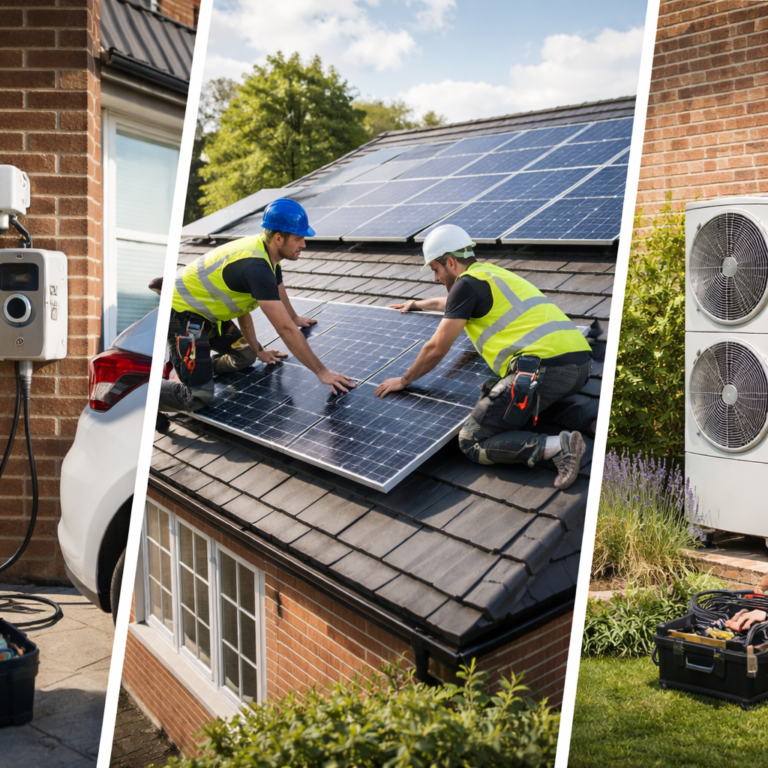
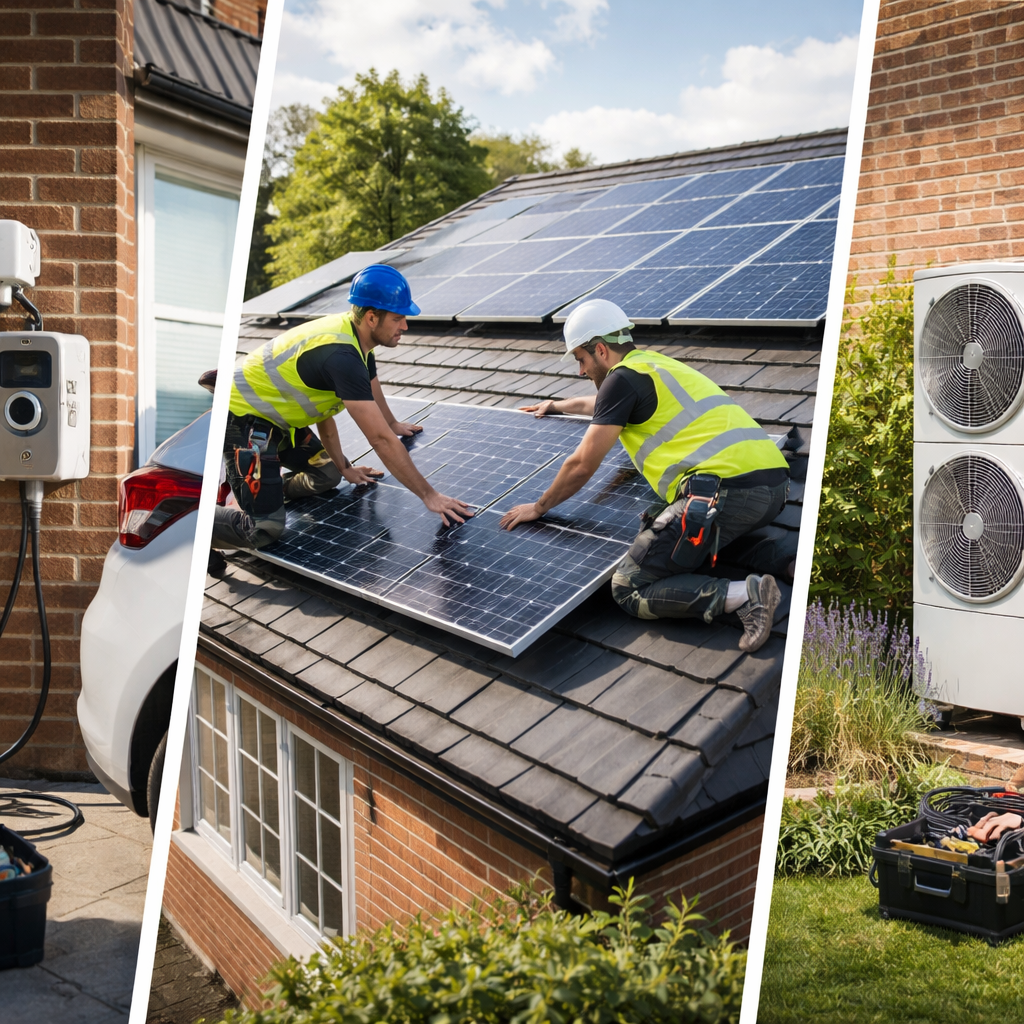
EV charging installation has grown year-on-year since 2020 and continues to accelerate. The OZEV grant scheme has made domestic charger installation accessible and affordable for homeowners. Electricians with City & Guilds 2921 qualification are in extremely strong demand.
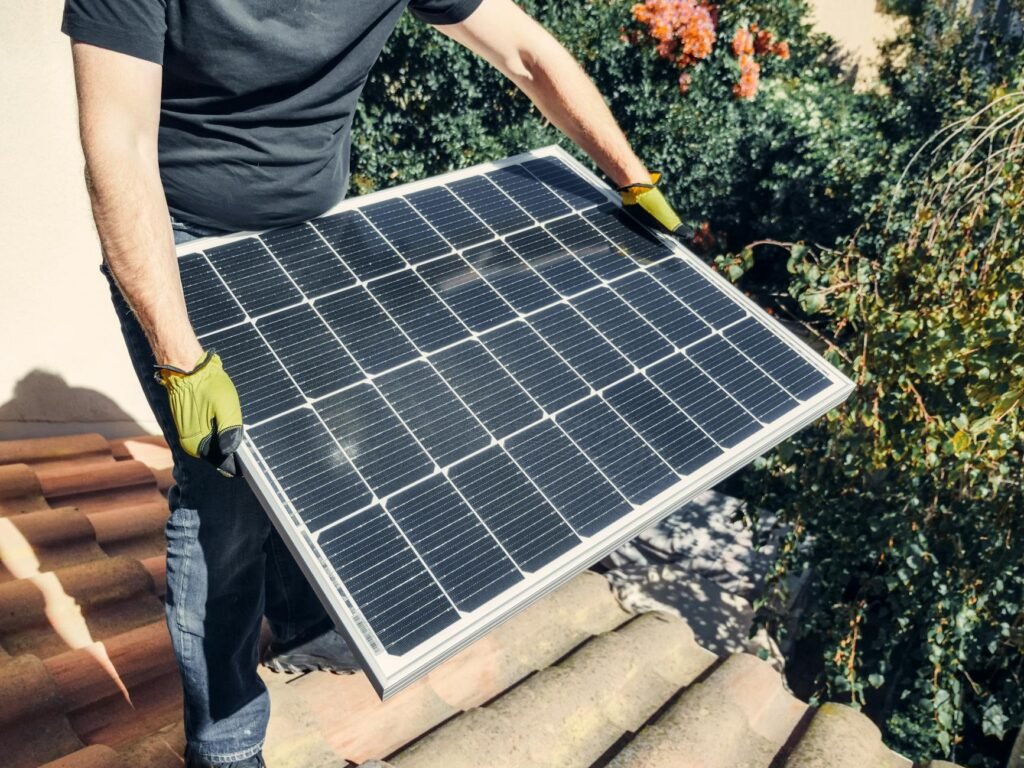
Solar PV and battery storage installations have surged since energy prices peaked in 2022. With payback periods now typically 6-9 years and the Smart Export Guarantee providing export income, demand shows no sign of slowing. MCS-certified solar installers are booking 4-8 weeks ahead in most UK regions.
Heat pump installations – driven by the Boiler Upgrade Scheme (currently £7,500 grant for air source heat pumps) – are growing but remain concentrated among higher-value properties with appropriate insulation standards. Heating engineers with MCS certification and F-Gas qualifications are accessing this premium market.
Housing Stock Maintenance: The Reliable Backbone

The UK has one of the oldest housing stocks in Europe – millions of properties built before 1980 that require ongoing repair and refurbishment. This creates consistent demand that doesn’t fluctuate with new build cycles.
Roof repairs and replacement – UK housing stock is ageing and many roofs are at or beyond their useful life. NFRC data shows consistent demand growth for roofing work.
EICR surveys and electrical remedials – the mandatory 5-year EICR requirement for rental properties, which became fully enforceable in 2021, has created a rolling programme of electrical survey and remedial work.
Damp, insulation, and retrofit work – government energy efficiency schemes and rising energy costs are driving homeowners to invest in cavity wall insulation, loft insulation, and damp treatment.
Lifestyle Improvements: The Discretionary Segment
Bathroom installations remain one of the most popular home improvement projects, consistently in the top three for planning permission applications and consumer spending. Quality plumbers and tilers who can offer a bathroom package are extremely well-placed.
Kitchen renovations and extensions – permitted development changes have made single-storey extensions more accessible. Builders, electricians, and plumbers who can work on domestic extensions are benefiting from strong demand.
Garden and outdoor living – landscaping, decking, garden rooms, and outdoor electrical work have all grown significantly post-pandemic as homeowners invested in their outdoor spaces.
Conclusion
The trades industry rewards those who combine excellent work with professional business practices. The guidance above covers the practical fundamentals – applying it consistently is what separates the tradespeople who stay busy and profitable from those who struggle with feast-and-famine cycles. For further guidance, visit ONS: construction output.
Frequently Asked Questions
What is the most in-demand trade in the UK in 2026?
Electricians with EV charging and solar qualifications are currently experiencing the highest demand relative to supply. Gas engineers remain in very high demand due to ongoing boiler replacement and servicing requirements. See CITB’s skills forecasts for the latest industry data.
Is new build work good for tradespeople in 2026?
New build volumes have been below the government’s 300,000 homes per year target, but planning reform is expected to increase volumes through 2026 and beyond. New build work provides consistent volume but typically at lower margins than domestic repair and maintenance.
What trades work is least affected by economic downturns?
Emergency and maintenance work – gas engineer breakdowns, plumbing emergencies, electrical faults – is the most recession-resistant because it cannot be deferred. Tradespeople who build a strong emergency and maintenance client base are best protected against economic slowdowns.