
Should Tradespeople Specialise or Stay General in 2026?
Should tradespeople specialise or stay general? In 2026, the balance of evidence points firmly towards specialisation – but with important caveats about timing, trade, and how you build towards it. This guide makes the case clearly.
The Case for Specialisation
Specialists command higher rates. A general electrician charges £50-£65/hr. A solar specialist charges £65-£90/hr. An industrial HV specialist charges £80-£120/hr. Specialisation consistently correlates with higher earning power.
Specialists face less competition. There are thousands of general electricians. There are hundreds of MCS-certified solar installers in any given region. Specialists win more jobs at higher prices because customers searching for a specific capability have fewer options.
Specialists are easier to market. “Electrician [your town]” is a competitive search. “EV charger installation [your town]” or “EICR surveys for landlords [your town]” are less competitive and more easily dominated.
Specialists get more referrals. Being known for a specific thing makes referral conversations easier. “Use [name] – he’s the solar guy” is more memorable and actionable than “Use [name] – he does general electrical.”
The Case for Staying General

Income stability. A specialist in a single segment is exposed to demand fluctuations in that segment. General tradespeople can redirect to wherever demand is strongest.
Wider customer base. A general domestic electrician serves everyone. A solar-only installer loses enquiries from customers wanting EV chargers or consumer unit replacements.
Lower barrier to entry. Starting general lets you build revenue, reviews, and cash reserves before investing in specialist qualifications.
The Strategic Answer: General First, Specialist Second
The optimal path for most tradespeople in 2026:
- Build a general foundation – establish your business, fill your diary, collect reviews
- Identify your highest-value adjacent specialisation – what does your market need that you could credibly offer?
- Add the specialist qualification – invest the time and money once the business can support it
- Position yourself as the specialist – lead with the specialisation in marketing while retaining general capability
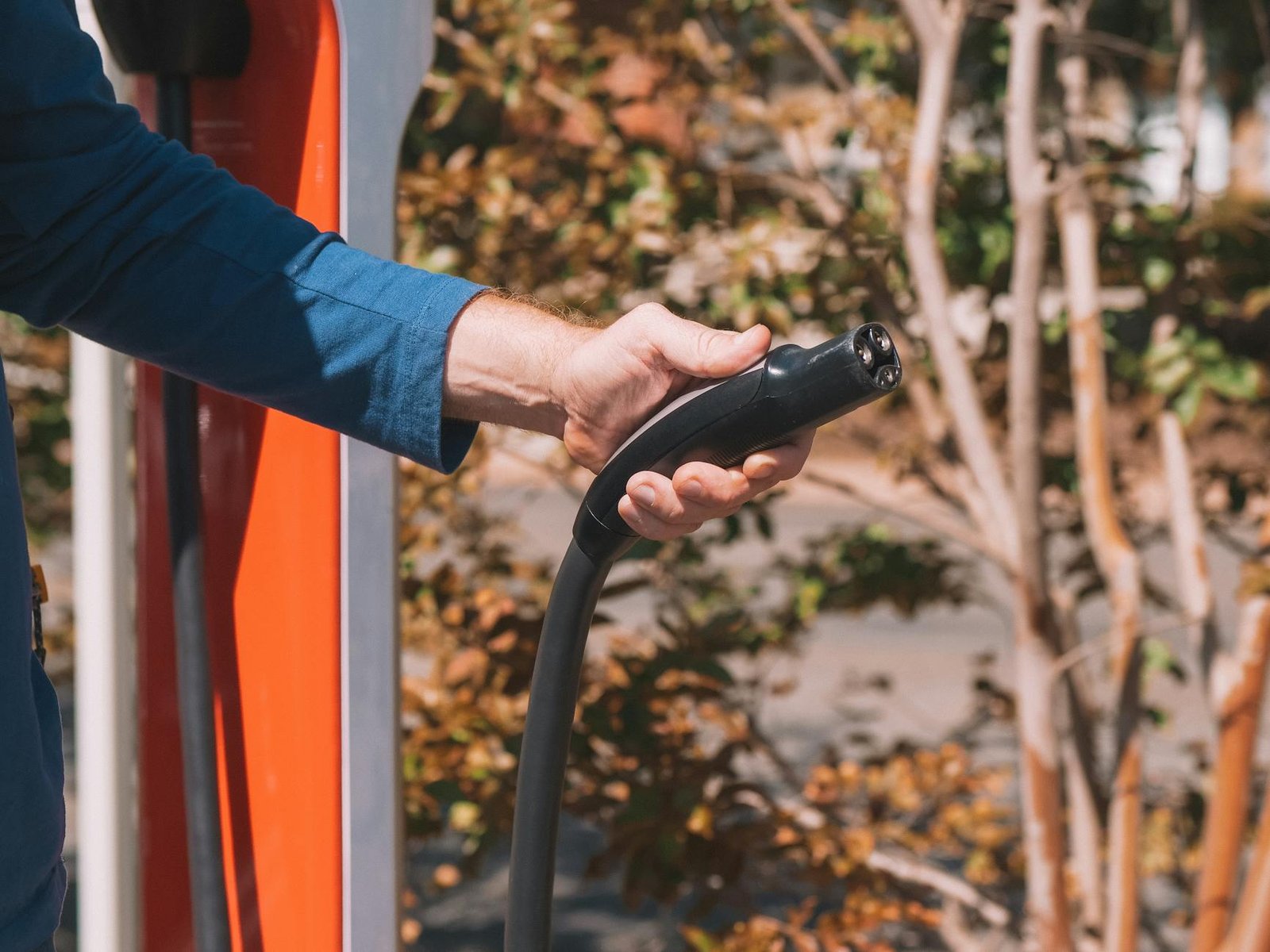
For an electrician: start general, add 2921 EV charging (3-5 days, £400-£600), then position as the local EV charging specialist while still doing general electrical. Add 2399 solar when the business can support MCS certification.
For a plumber: start general, add ACS gas qualifications, become a heating engineer who also does general plumbing.
Conclusion
The trades industry rewards those who combine excellent work with professional business practices. The guidance above covers the practical fundamentals – applying it consistently is what separates the tradespeople who stay busy and profitable from those who struggle with feast-and-famine cycles. For further guidance, visit Federation of Small Businesses.
Frequently Asked Questions
What is the most profitable specialisation for an electrician in 2026?
Solar PV installation (with MCS certification) offers the highest per-job value. EV charging offers the best combination of high demand, fast qualification, and premium rates. See our electrician specialisations guide for detail.
Is it too late to specialise in solar installation?
No. The UK solar market is growing, not saturating. There is significant unmet demand in most UK regions outside major cities. The qualification and MCS certification process takes 3-6 months – see our solar business guide.