
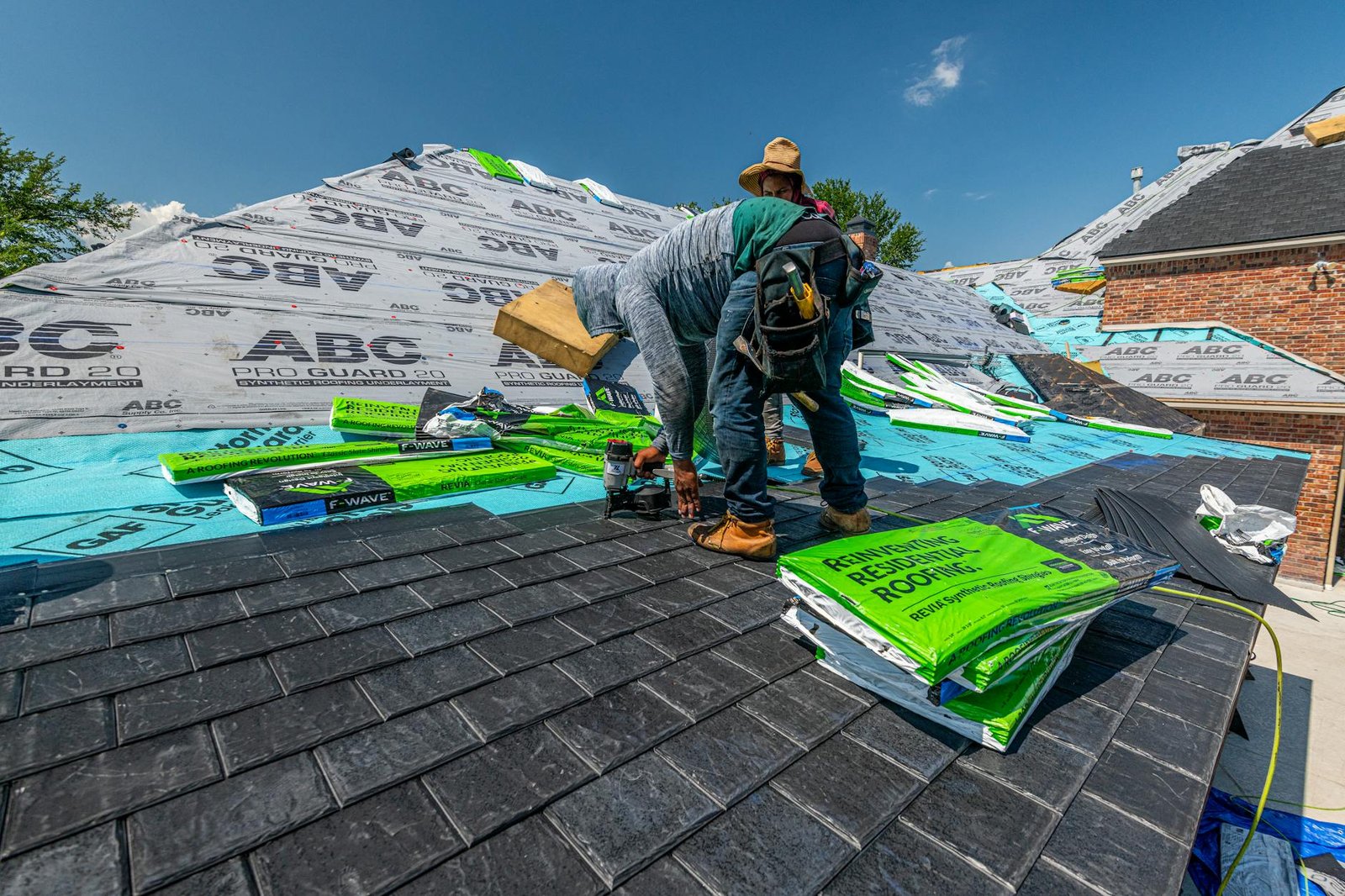
How to Start a Roofing Business in the UK: The Complete Guide
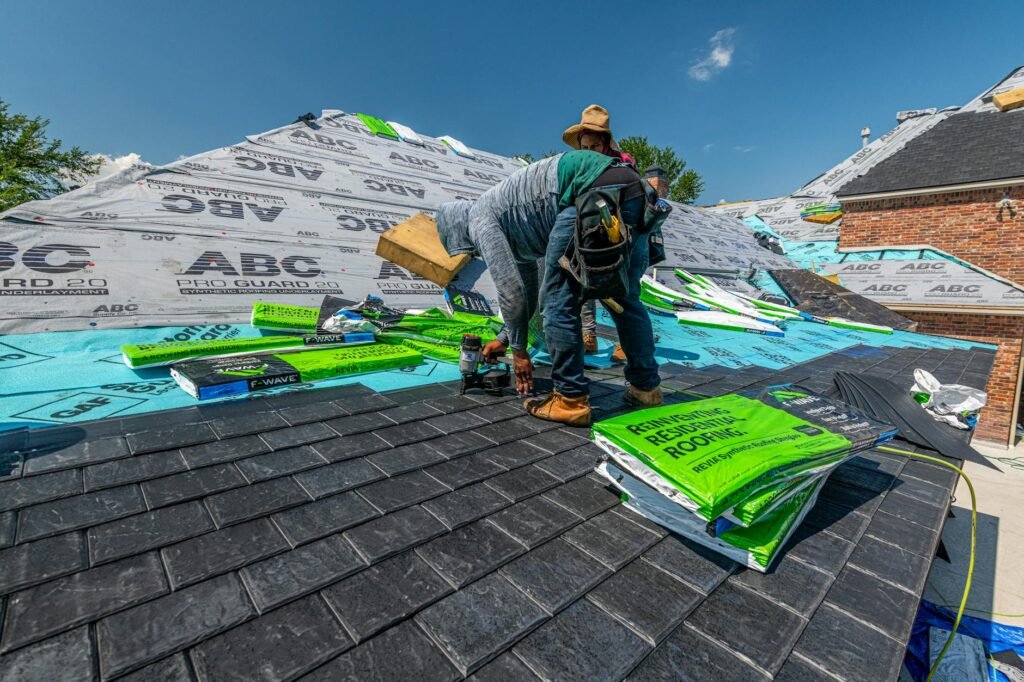
If you want to know how to start a roofing business in the UK, you’re entering one of the most in-demand trades in the country. Qualified roofers are consistently short supply, roofing work is weather-resistant in terms of demand (homeowners can’t ignore a leaking roof), and a well-run roofing business can generate significant income within the first year.
This guide covers every step of how to start a roofing business – from registration and insurance to tools, qualifications, and finding your first customers.
The UK Roofing Market in 2026
Starting a roofing business in 2026 makes strong commercial sense. The UK has a large stock of ageing housing – millions of roofs that require repair, maintenance, or full replacement. The NFRC (National Federation of Roofing Contractors) estimates the UK roofing industry is worth over £10 billion annually, with a persistent shortage of qualified roofers.
A roofing business can offer: – Tiled and slated roof repairs and replacement – Flat roofing (felt, EPDM, GRP/fibreglass) – Lead work and flashings – Guttering and fascias – Emergency repair work (high-margin, year-round demand)
Step 1: Register Your Roofing Business
How to start a roofing business begins with legal registration:
Sole trader route: – Register with HMRC at gov.uk/register-for-self-assessment – free – You’ll receive a UTR (Unique Taxpayer Reference) within 10 days – File a Self Assessment tax return each January
Limited company route: – Register at Companies House – £50 online – Preferred for commercial contracts and higher liability work – More complex accounting – budget £600-£1,500/year for an accountant
Put aside 25-30% of all income for tax. Your first Self Assessment bill catches many new roofing business owners off guard.
Step 2: Essential Insurance for a Roofing Business
Insurance is particularly important for a roofing business due to the inherent risks of working at height:
| Insurance | Minimum cover | Why essential |
|---|---|---|
| Public liability | £2m (£5m for commercial) | Damage to property, injury to third parties |
| Employers liability | £10m | Legally required if you have any employees |
| Tools insurance | Replacement value | Van break-ins are common in roofing |
| Contract works | Full contract value | Covers partially completed roofing work |
| Personal accident/income protection | 3+ months earnings | No sick pay when self-employed |
Critically, ensure your public liability policy explicitly covers working at height and roofing. Some generic trades policies exclude height work. Check the exclusions carefully. Get quotes from Simply Business or NFRC member insurers.
Step 3: CSCS Card and Health & Safety for Roofing
Starting a roofing business means taking health and safety seriously. Falls from height are the leading cause of fatal injuries in UK construction:
- CSCS card – required on commercial sites. A Blue CSCS Skilled Worker card requires NVQ Level 2 in Roofing + CITB H&S test at cscs.uk.com
- SMSTS or SSSTS – site management qualification recommended for any roofer running their own jobs
- Working at Height training – mandatory for anyone you employ or subcontract
- First Aid at Work – strongly recommended
See HSE’s working at height guidance for your legal obligations as an employer and self-employed person.
Step 4: Tools and Equipment for Starting a Roofing Business
Core tools for a roofing business:
- Scaffolding access (subcontract or hire initially)
- Roof ladder and ridge hook
- Slate ripper, slater’s hammer, trowels
- Tin snips and lead tools
- Power tools: jigsaw, grinder, drill
- Safety equipment: harnesses, helmets, steel-toe boots
- Van with roof rack and secure storage
Budget £2,000-£5,000 for tools when starting a roofing business, assuming access to scaffolding via subcontract.
Step 5: Finding Your First Roofing Customers
When starting a roofing business, your first customers typically come from:
Personal network: message every contact. Roofing work is often urgent – a leaking roof can’t wait.
Google Business Profile: Set up your free profile with your roofing services and location. Emergency searches (“roofer near me”, “emergency roof repair”) convert at very high rates.
Lead platforms: Checkatrade, Rated People, and MyBuilder are well-suited to roofing businesses – the work is local, urgent, and customers don’t have time to shop around extensively.
Estate agents and letting agents: Landlords need reliable roofers. One letting agent relationship can generate 15-20 jobs per year.
Step 6: NFRC Membership
The NFRC (National Federation of Roofing Contractors) is the UK’s premier roofing trade body. Membership provides: – Credibility with commercial clients – Access to NFRC’s contractor finder (free leads) – Technical guidance and training – Warranty-backed work through the NFRC guarantee scheme
NFRC membership is increasingly expected on larger commercial roofing contracts.
Conclusion
Starting your own trades business is one of the most financially and personally rewarding things a skilled tradesperson can do. The foundations – the right structure, the right insurance, the right systems – take a few weeks to set up properly, but getting them right from the start saves significant time and money further down the line. For further guidance, visit National Federation of Roofing Contractors.
Frequently Asked Questions
Do you need qualifications to start a roofing business in the UK?
No licence is required to start a roofing business in the UK. However, a CSCS card (requiring NVQ Level 2 in Roofing) is needed for commercial site work, and NFRC membership adds significant credibility. See NFRC’s qualification guidance for routes to recognised roofing qualifications.How much can a roofing business earn?
A well-established roofing business with one or two employees typically turns over £150,000-£400,000 per year. A sole trader roofer earns £40,000-£80,000+ depending on day rate and volume. Emergency roof repairs command premium rates.What’s the most profitable type of roofing work?
Emergency repairs are the highest-margin work – customers pay premium rates for same-day or next-day response. Flat roofing replacement and GRP/fibreglass work also commands good margins relative to labour time.How do I price roofing work when starting out?
Price based on your day rate plus materials. A typical roofer’s day rate in 2026 is £200-£350/day. Materials should carry a 15-20% margin. See Checkatrade’s roofing cost guide for current benchmarks.Related reading: