How to Start a Plumbing Business in the UK: The Complete Guide
If you want to know how to start a plumbing business in the UK, you’re entering one of the most consistently in-demand trades in the country. Plumbing work cannot be deferred indefinitely – a leaking pipe, a broken boiler, or a failing bathroom means customers call urgently. A well-run plumbing business can be fully booked within months of trading.
This guide covers every step of how to start a plumbing business – registration, insurance, qualifications, tools, and finding your first customers.
The UK Plumbing Market in 2026
Starting a plumbing business in 2026 is commercially well-timed. The UK faces a persistent shortage of qualified plumbers – industry data from CIPHE (Chartered Institute of Plumbing and Heating Engineering) consistently shows demand outstripping supply. Key market drivers include:
- Ageing housing stock requiring ongoing maintenance
- Strong new build activity requiring first-fix and second-fix plumbing
- Growing bathroom renovation market
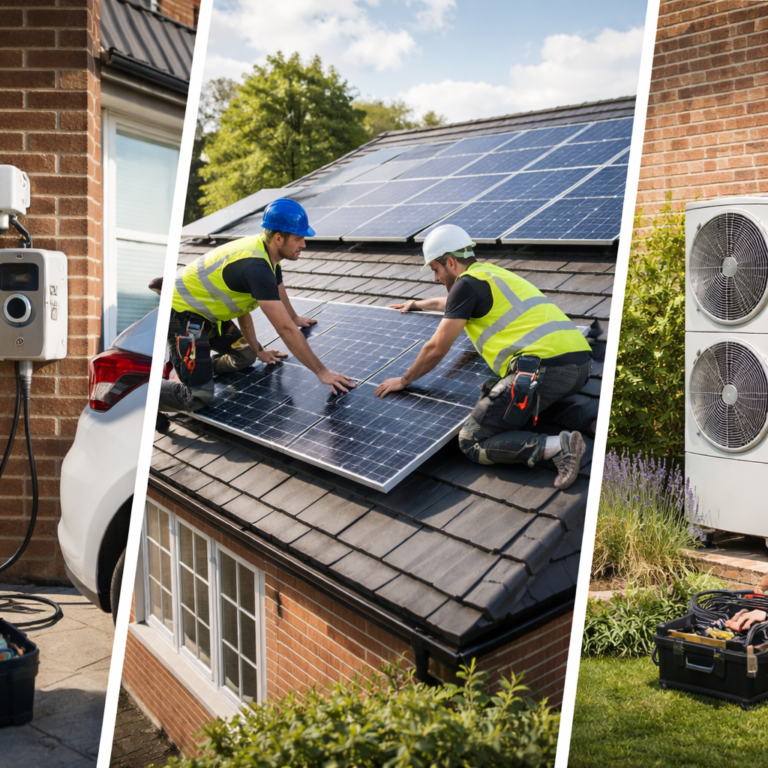
- Heat pump and renewable heating system installations
- Emergency callout work – consistent, premium-rate year-round demand
Step 1: Register Your Plumbing Business
Starting a plumbing business begins with legal registration:
Sole trader registration: – Register with HMRC at gov.uk/register-for-self-assessment – free, 20 minutes online – Receive your UTR (Unique Taxpayer Reference) within 10 days – File Self Assessment tax return each January
Limited company registration: – Register at Companies House – £50 online – More tax efficient above £30,000-35,000 profit – Higher accountancy costs – budget £600-1,500/year
Put aside 25-30% of all plumbing business income for tax. The payment-on-account system catches many new sole traders by surprise.
Step 2: Insurance for a Plumbing Business
Insurance is critical for a plumbing business – water damage claims can be substantial:
| Insurance | Minimum | Why essential |
|---|---|---|
| Public liability | £2m | Water damage to customer property is a real and expensive risk |
| Tools insurance | Replacement value | Van break-ins are common |
| Van insurance (business use) | – | Standard personal cover is insufficient |
| Employers liability | £10m | Legally required if you employ anyone |
| Professional indemnity | £1m | If you advise on system design or specification |
Get public liability quotes from Simply Business or Kingsbridge. Ensure your policy explicitly covers plumbing work, as some generic trades policies exclude water damage.
Step 3: Essential Qualifications and Registrations
A plumbing business handling gas work requires Gas Safe registration – see our Gas Safe registration guide. For plumbing work only (no gas), the key qualifications are:
NVQ Level 2/3 in Plumbing and Domestic Heating – the standard trade qualification. Supports CSCS card applications and demonstrates competence.
CSCS card – required for commercial site work. A Blue CSCS Skilled Worker card needs NVQ Level 2 + CITB H&S test. See cscs.uk.com.
CIPHE membership – the Chartered Institute of Plumbing and Heating Engineering is the professional body for plumbers. Membership demonstrates commitment and is recognised by commercial clients.
Approved Plumber scheme – WaterSafe is the UK’s approved plumber register. Registration allows self-certification of plumbing work that complies with Water Regulations.
Step 4: Tools for Starting a Plumbing Business
Core tools for a plumbing business:
- Pipe cutters (15mm, 22mm, 28mm)
- Pipe bending machine (manual and/or hydraulic)
- Spanners and adjustable wrenches (full set)
- Soldering equipment – blowtorch, flux, solder
- Pressure testing equipment – pressure gauge and test kit
- Power tools – drill, jigsaw, hole saws
- Drain rods and jet wash (hire initially)
- CCTV drain camera (hire until justified)
Budget £1,500-£3,000 for tools when starting a plumbing business, assuming basic tools from previous employment.
Step 5: Finding Your First Plumbing Customers
When starting a plumbing business, initial customers typically come from:
Personal network: tell every contact. Plumbing is urgent – a dripping tap or blocked drain can’t wait weeks.
Google Business Profile: Set up your free profile immediately. Emergency plumbing searches (“plumber near me”, “emergency plumber [town]”) are high-frequency and high-value.
Lead platforms: Checkatrade, Rated People, and MyBuilder are well-suited to plumbers – urgency means customers don’t spend long comparing.
Letting agents and landlords: Landlords need reliable plumbers for their portfolio. One good landlord relationship generates consistent, predictable work year-round.
Step 6: Pricing Your Plumbing Work
Starting a plumbing business means setting competitive but profitable rates. UK plumber day rates in 2026:
| Region | Day rate |
|---|---|
| London | £280-£420/day |
| South East | £240-£360/day |
| Midlands/North | £190-£300/day |
See Checkatrade’s plumber cost guide for current benchmarks.
Always apply a minimum call-out charge (1-2 hours minimum) for any job. Emergency callouts can command 1.5-2× your standard rate.
Conclusion
Starting your own trades business is one of the most financially and personally rewarding things a skilled tradesperson can do. The foundations – the right structure, the right insurance, the right systems – take a few weeks to set up properly, but getting them right from the start saves significant time and money further down the line. For further guidance, visit WaterSafe approved plumbers.
Frequently Asked Questions
Do you need qualifications to start a plumbing business in the UK?
No licence is required to start a plumbing business for non-gas plumbing work. However, registration with WaterSafe is strongly recommended as it allows self-certification under Water Regulations. For gas work, Gas Safe registration is legally mandatory. See HMRC’s guidance on self-employment for registration requirements.How much can a plumbing business earn?
A sole trader plumbing business typically generates £40,000-£80,000 per year. Emergency and specialist plumbers earn more. A plumbing business with 2-3 employees can turn over £200,000-£400,000 annually.Do plumbers need to be VAT registered?
You must register for VAT when your taxable turnover exceeds £90,000 in 12 months. Voluntary registration is possible below this threshold and beneficial if your customers are VAT-registered businesses. See HMRC’s VAT guidance.Related reading: