
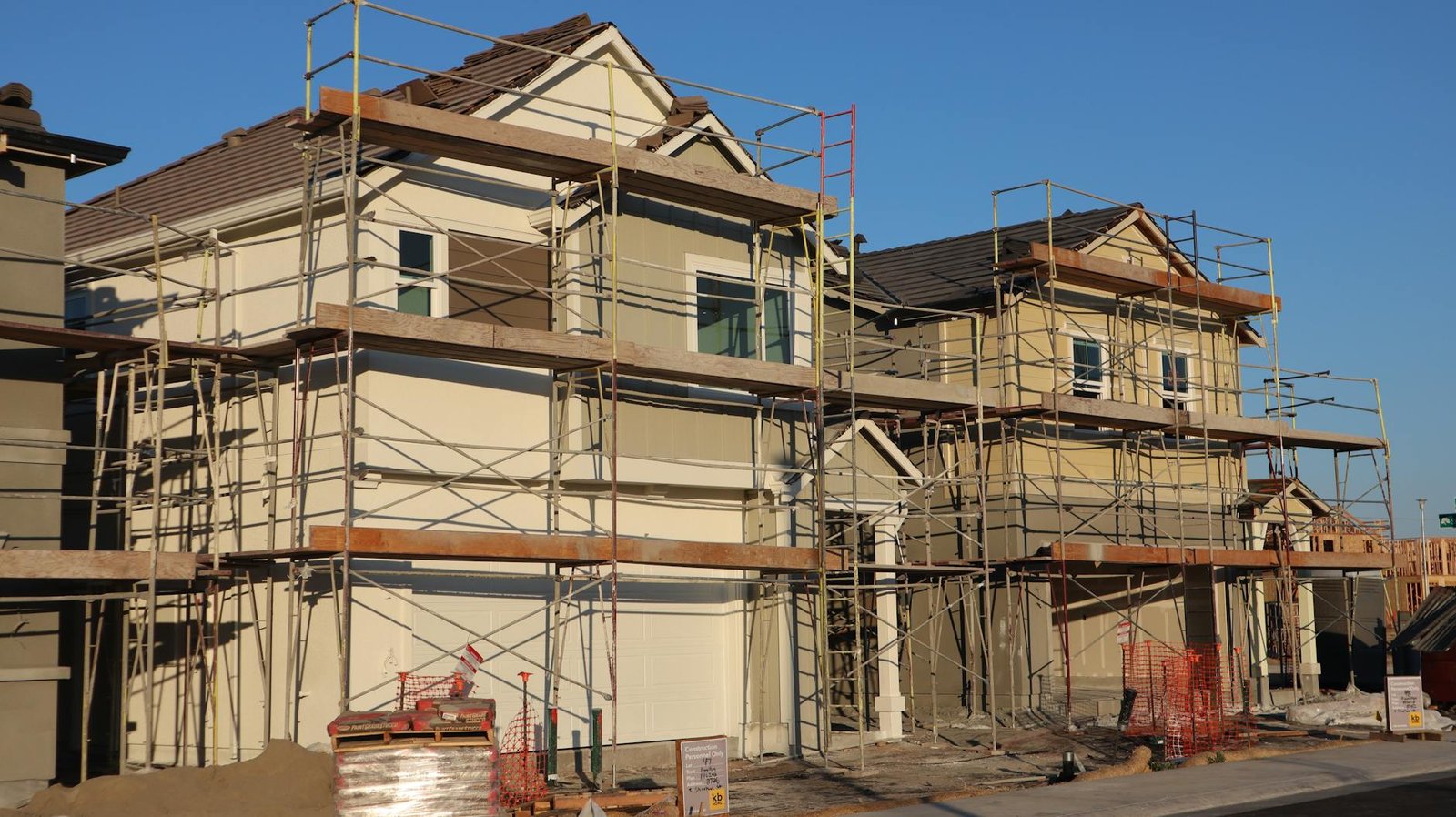
Is the New Build Market Good for Tradespeople Right Now?
The new build market for tradespeople in 2026 is recovering after a difficult 2023-24 period – but it remains more complicated than the domestic repair and maintenance market. Here is an honest assessment of what new build work offers tradespeople and what to watch out for.
New Build Market Context in 2026
UK housebuilding has been running below the government’s 300,000 homes per year target for several years. Planning reform legislation – including changes to NPPF and mandatory housing targets for local authorities – is expected to increase planning permissions granted from 2025 onwards. The NHBC housing statistics show new registrations recovering through 2025.
For tradespeople, this means: new build volume is growing but from a suppressed base. The opportunity exists but requires the right approach.
What New Build Work Offers
Volume and predictability. Once on a developer’s approved subcontractor list, new build work provides consistent, plannable volume. Multiple plots of the same specification means efficient working, less quoting overhead, and predictable material requirements.
Repeat work. A single developer building 50 houses per year generates 50 first-fix electrical jobs, 50 second-fix jobs, and 50 completion jobs. The relationship investment is high upfront but the return is sustained.
Skill development. New build work builds speed, efficiency, and familiarity with current specification standards – all of which benefit your wider business.
The Challenges of New Build

Programme dependency. New build work runs on programme. A delayed preceding trade delays you. You may turn up to find the site isn’t ready – costing you a planned day’s work. Programme discipline on the developer’s side varies enormously.
Lower margins than domestic repair. New build rates are typically negotiated at lower per-job values than domestic repair work. Volume compensates, but margin per hour is usually below domestic repair work.
Payment terms. Developers often pay on 30-day or 45-day terms – sometimes longer. This requires robust cash flow management. Getting on a developer’s approved list often involves credit checks and insurance verification.
Pre-qualification requirements. Most significant developers require: CSCS cards (ECS for electricians), £5m+ public liability, Constructionline or CHAS registration, and in some cases ISO certifications.
Is New Build Right for Your Business?
New build work suits tradespeople who: – Have or can get commercial/site qualifications (CSCS/ECS cards, SMSTS) – Have robust insurance (£5m PL) – Can manage the cash flow implications of longer payment terms – Want volume and predictability over per-job margin
It is less suitable for tradespeople who: – Prefer the direct customer relationship of domestic work – Have limited cash reserves to manage extended payment terms – Are not yet accredited for commercial site access
Frequently Asked Questions
How do I get on a new build developer’s subcontractor list? Contact the developer’s procurement team or site manager directly. You’ll typically need: relevant qualifications, CSCS/ECS card, £5m public liability insurance, and registration with Constructionline or CHAS. See the Builders’ Registration Office for self-build and small developer contacts.
What payment terms should I expect from new build developers? 30-45 days is standard; some operate on 60-day terms. Always get payment terms confirmed in writing before starting work and include a retention clause in your contract. See the Prompt Payment Code for your rights as a subcontractor.
CoreQuote helps tradespeople quote and invoice for new build work professionally. Try free for 6 months at kwowta.com.
Related reading: