
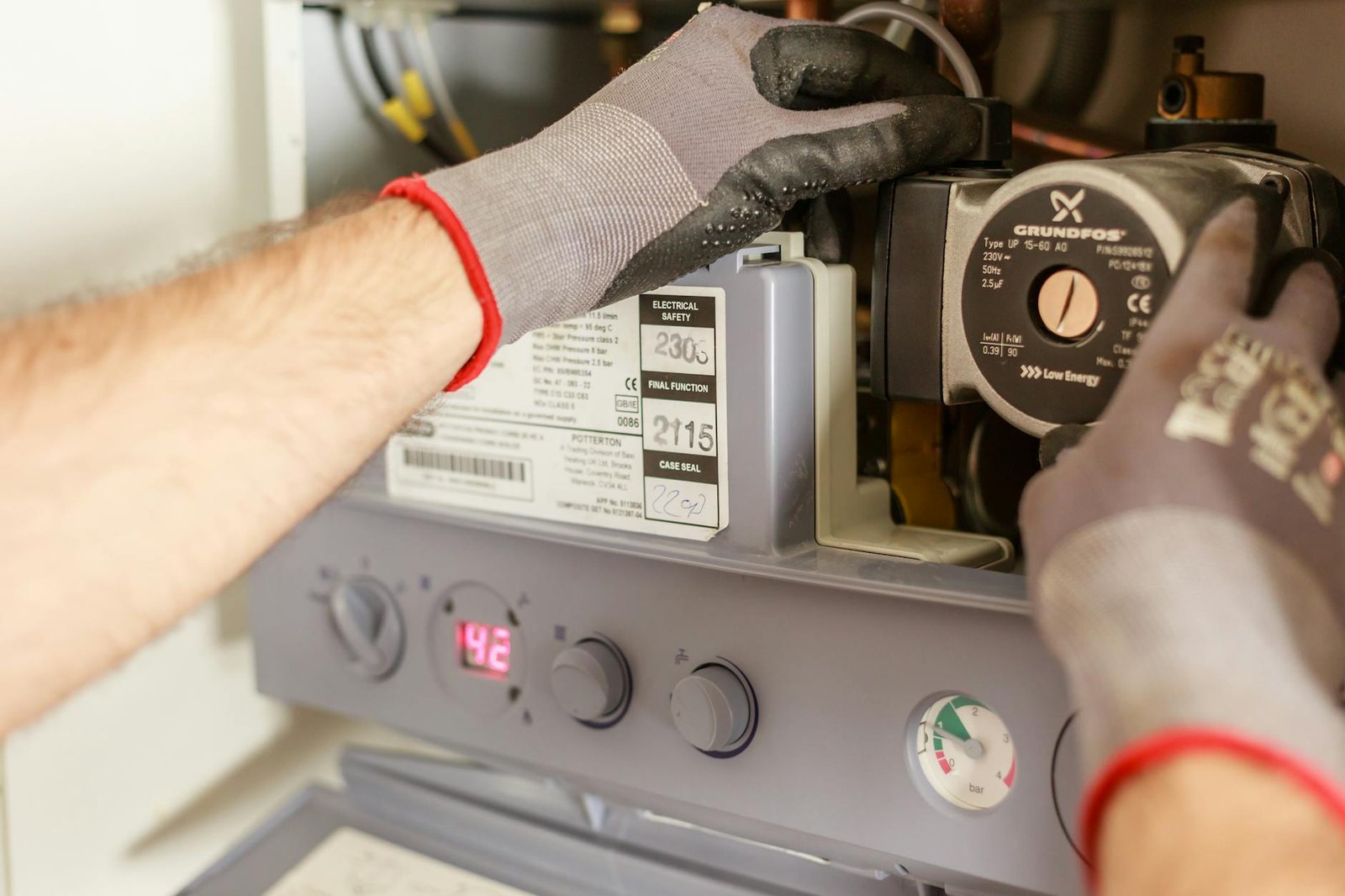
How to Start a Gas Engineer Business in the UK: The Complete Guide
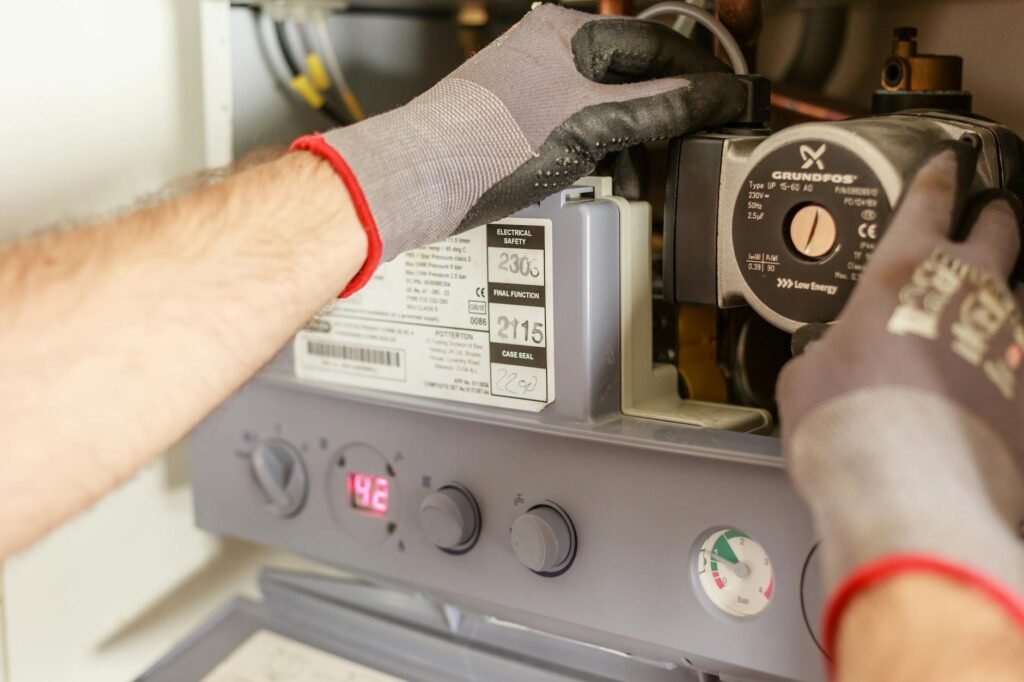
If you want to know how to start a gas engineer business in the UK, the single most important thing to understand before anything else is that Gas Safe registration is a legal requirement – not a recommendation. Unlike most trades where you can start trading while building qualifications, a gas engineer business cannot legally operate without it.
This guide covers every step: Gas Safe registration, insurance, business setup, finding customers, and building a profitable heating business from day one.
The UK Gas Engineering Market in 2026
Starting a gas engineer business in 2026 is commercially well-timed. The UK has over 23 million gas-heated homes, each requiring annual servicing, periodic repairs, and eventual boiler replacement. The Gas Safe Register reports consistent demand that outstrips the supply of qualified engineers, particularly outside major cities.
Key revenue streams for a gas engineer business: – Annual boiler servicing (recurring income – the foundation of any stable gas business) – Landlord Gas Safety Certificates / CP12 (legally mandated, high volume) – Boiler installation and replacement – Central heating system installation – Emergency breakdown repair (premium rates, year-round demand) – Gas appliance installation (fires, cookers)
Step 1: Gas Safe Registration – The Legal Foundation
Starting a gas engineer business without Gas Safe registration is a criminal offence. Under the Gas Safety (Installation and Use) Regulations 1998, anyone working on a gas fitting must be registered with the Gas Safe Register.
The qualification pathway:
First, complete your ACS (Accredited Certification Scheme) assessments. The minimum for domestic gas work: – CCN1 – Core Domestic Combustion (mandatory for all domestic gas work) – CEN1 – Central heating boilers
Then apply to Gas Safe Register at gassaferegister.co.uk. See our complete Gas Safe registration guide for the full step-by-step process.
Step 2: Register Your Gas Engineer Business

Sole trader: Register with HMRC at gov.uk/register-for-self-assessment – free. Receive a UTR within 10 days. File Self Assessment annually.
Limited company: Register at Companies House – £50. More tax-efficient above £30,000-35,000 profit. Budget £800-1,500/year for an accountant.
Put aside 25-30% of all income for tax. See HMRC’s self-employment guidance for current tax rates.
Step 3: Insurance for a Gas Engineer Business
Gas engineering carries specific risks that require specialist insurance:
| Insurance | Minimum | Notes |
|---|---|---|
| Public liability | £2m (£5m recommended) | Gas incidents can cause catastrophic property damage |
| Professional indemnity | £1m | Covers design and specification errors |
| Employers liability | £10m | Legally required if employing anyone |
| Gas-specific policy | – | Must explicitly cover gas installation, servicing and repair |
Standard trades insurance frequently excludes gas work. Verify your policy covers gas explicitly before starting a gas engineer business. See APHC’s insurance guidance and specialist brokers like Kingsbridge.
Step 4: Tools for Starting a Gas Engineer Business
Core tools for a gas engineer business:
- Flue gas analyser (e.g. Wohler A550, Kane 455) – essential for safe commissioning, costs £400-£1,200
- Manometer and pressure testing kit
- Gas leak detector
- Multimeter – for controls and wiring
- Commissioning and fill equipment – powerflush machine, chemical dosing kit
- Pipework tools – cutters, benders, soldering kit
- Power tools – drill, jigsaw, hole saws
Budget £2,000-£5,000 for tools when starting a gas engineer business.
Step 5: Finding Your First Customers
When starting a gas engineer business, build your customer base around recurring revenue:
Annual service contracts are the most valuable asset in a gas engineer business. Every service customer is a potential repair and replacement client for years to come. Start building a service base from your first job.
Landlord CP12 certificates: Landlords must have annual gas safety checks. One landlord with 10 properties = 10 certificate jobs per year plus repair and replacement work. Contact local letting agents with your Gas Safe registration details.
Google Business Profile: Set up immediately at business.google.com. Emergency heating searches are high-value and urgent.
Lead platforms: Checkatrade works particularly well for gas engineers – customers specifically look for Gas Safe registered engineers, and your registration is a visible trust signal.
Conclusion
Starting your own trades business is one of the most financially and personally rewarding things a skilled tradesperson can do. The foundations – the right structure, the right insurance, the right systems – take a few weeks to set up properly, but getting them right from the start saves significant time and money further down the line. For further guidance, visit Gas Safe Register.
Frequently Asked Questions
How much does it cost to start a gas engineer business?
Allow £3,000-£8,000 for the first year: ACS training and assessment (£500-£1,500), Gas Safe registration (£200-£400/year), insurance (£600-£1,500/year), and tools (£2,000-£5,000). See Gas Safe Register’s business setup guidance for current registration fees.How much can a gas engineer business earn?
A well-run sole trader gas engineer business earns £45,000-£90,000 per year. Businesses with annual service contracts and emergency cover consistently earn at the higher end.Is a gas engineer business profitable in 2026?
Yes. Demand consistently outstrips supply, emergency callouts command premium rates, and annual service contracts create predictable recurring income. A gas engineer business with 200 service contracts has approximately £16,000-£24,000 of guaranteed annual revenue before any other work.Related reading: