How to Start a Plastering Business in the UK: The Complete Guide
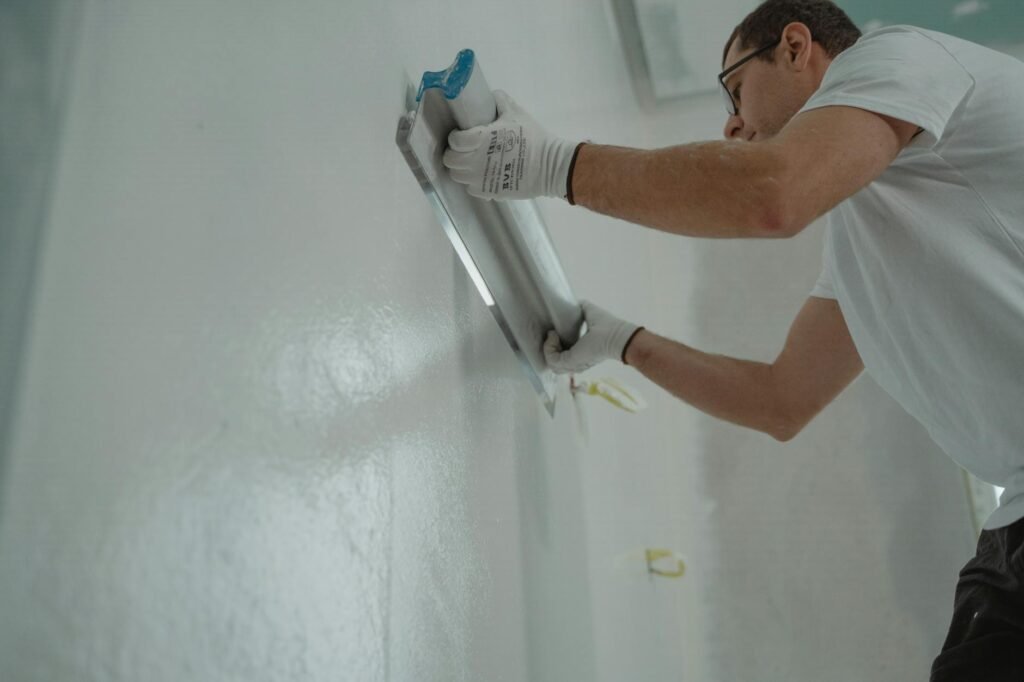
If you want to know how to start a plastering business in the UK, the good news is that the barriers to entry are low, demand is consistently strong, and a skilled plasterer can build a full order book within months. This guide covers every step – from registering with HMRC to getting your first customers and pricing your work correctly.
Plasterers are in short supply across the UK. Skilled tradespeople who can deliver a quality finish are turning work away in most areas. If you have the skill, starting a plastering business is one of the most commercially viable moves you can make in the trades.
Is Starting a Plastering Business Worth It in 2026?
Starting a plastering business makes strong financial sense. Experienced plasterers typically earn £150-£280 per day as sole traders, and many top £50,000+ annually once established. The construction industry’s ongoing skills shortage means work is rarely hard to find for a quality operator.
Step 1: Register Your Plastering Business
Sole trader registration for a plastering business is the most common starting point:
- Register with HMRC at gov.uk/register-for-self-assessment – free, takes 20 minutes
- You receive a Unique Taxpayer Reference (UTR) by post within 10 days
- Complete a Self Assessment tax return each January
Tax rates for plastering businesses (2025/26): – Personal Allowance: £12,570 – no tax below this – Basic rate: 20% on profits £12,571-£50,270 – Class 4 NI: 6% on profits £12,570-£50,270
Put aside 25-30% of all income for tax from day one.
Step 2: Insurance for a Plastering Business
| Insurance | Why you need it |
|---|---|
| Public liability (£2m minimum) | Covers damage to customer property – essential for a plasterer working in people’s homes |
| Tools insurance | Covers replacement of mixer, floats, trowels, stilts |
| Van insurance (business use) | Standard personal cover doesn’t cover commercial use |
| Employers liability | Legally required the moment you take on any worker |
Get public liability insurance before your first job. Many domestic customers and all commercial clients will ask for proof of cover. Compare quotes at Simply Business or Kingsbridge.
Step 3: Tools and Equipment for Starting a Plastering Business
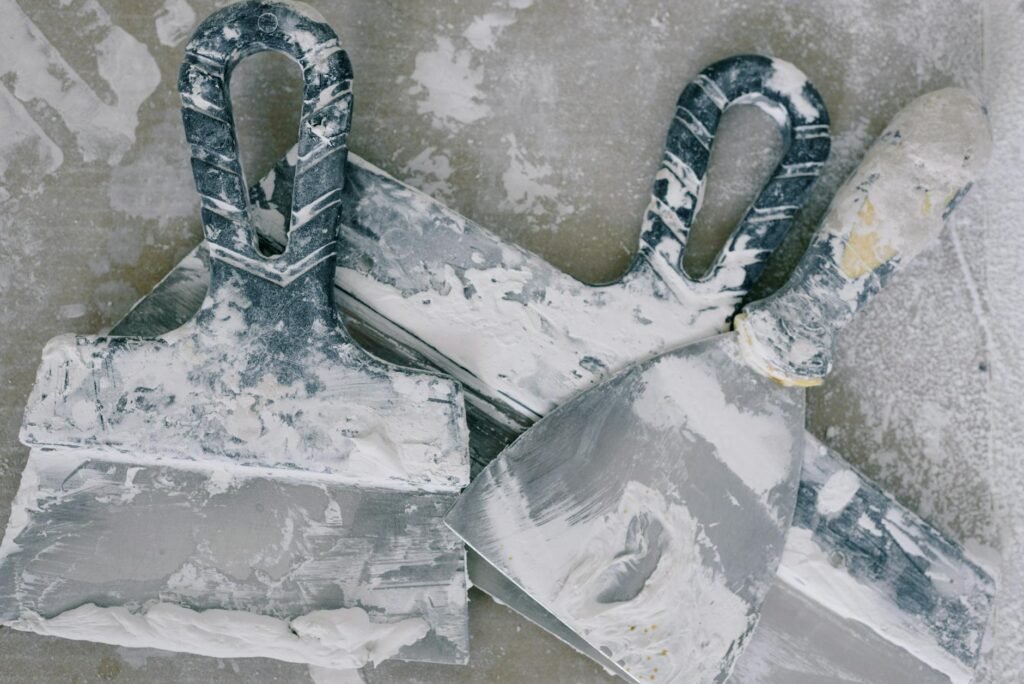
Starting a plastering business requires investing in the right tools. Core equipment:
- Plasterer’s trowel (stainless steel, 11-14 inch) – your most important tool
- Hawk – for holding plaster while working
- Bucket trowel and margin trowel
- Mixing paddle and drill – a heavy-duty drill (1,000W+) and mixing paddle
- Plasterer’s stilts – for ceiling work
- Buckets (minimum 6)
- Spot board
- Feather edge and darby/straight edge
- Sanding equipment
Budget £500-£1,500 for tools when starting a plastering business, assuming you’re coming from employment with some basic tools already.
Step 4: Finding Your First Plastering Customers
Starting a plastering business means building a customer pipeline from scratch. The most effective routes:
Your existing network first: Message every contact in your phone. Former colleagues, friends, neighbours. “I’ve just started a plastering business – if you need any plastering or know anyone who does, I’d love to help.”
Google Business Profile: Set up your free Google Business Profile with your plastering services, service area, and photos of your work. This is the most important free marketing tool for any plastering business.
Lead platforms: Checkatrade, Rated People, and MyBuilder generate initial leads while your reputation builds.
Builders and developers: Establishing relationships with local builders who need a reliable plasterer generates consistent work. One good builder relationship can keep a plastering business busy for months.
Step 5: Pricing Plastering Work
Pricing plastering work correctly is critical when starting a plastering business. Common plastering rates in 2026:
| Job type | Typical rate |
|---|---|
| Skimming a ceiling (per m²) | £8-£14/m² |
| Skimming walls (per m²) | £7-£12/m² |
| Plastering a room (day rate) | £180-£280/day |
| Rendering (per m²) | £20-£45/m² |
| Dot and dab (per m²) | £15-£25/m² |
See Checkatrade’s plastering cost guide for current market benchmarks.
Never price below your break-even rate. Calculate your daily cost of running your plastering business (van, insurance, tools, tax) before setting prices.
Frequently Asked Questions
Do you need qualifications to start a plastering business? No formal licence is required to start a plastering business in the UK. However, a City & Guilds Level 2 or NVQ in Plastering significantly increases your credibility, helps you win commercial work, and supports applications for a CSCS card. See City & Guilds plastering qualifications for details.
How much can you earn running a plastering business? A sole trader plastering business can realistically generate £40,000-£70,000 gross per year, depending on how quickly you fill your diary, your day rate, and how efficiently you manage jobs. Plasterers who build a team typically earn significantly more.
How do I get my first job when starting a plastering business? Tell everyone you know immediately. Your first job almost always comes from someone who already knows you or was referred by them. Don’t wait until you feel ready – start telling people as soon as you’ve registered and have insurance.
Is a plastering business profitable? Yes. Equipment costs are relatively low, materials are charged to the customer, and demand consistently outstrips supply of quality plasterers. A well-run plastering business with a solid reputation can command premium rates within 12-18 months.
What insurance does a plastering business need? At minimum: public liability insurance (£2m), tools insurance, and van insurance with business use cover. See HSE guidance on self-employment for your legal obligations.
CoreQuote is a quoting and invoice app built for plastering businesses. Build professional quotes from your phone in minutes. Join the beta free for 6 months at kwowta.com.
Related reading: