
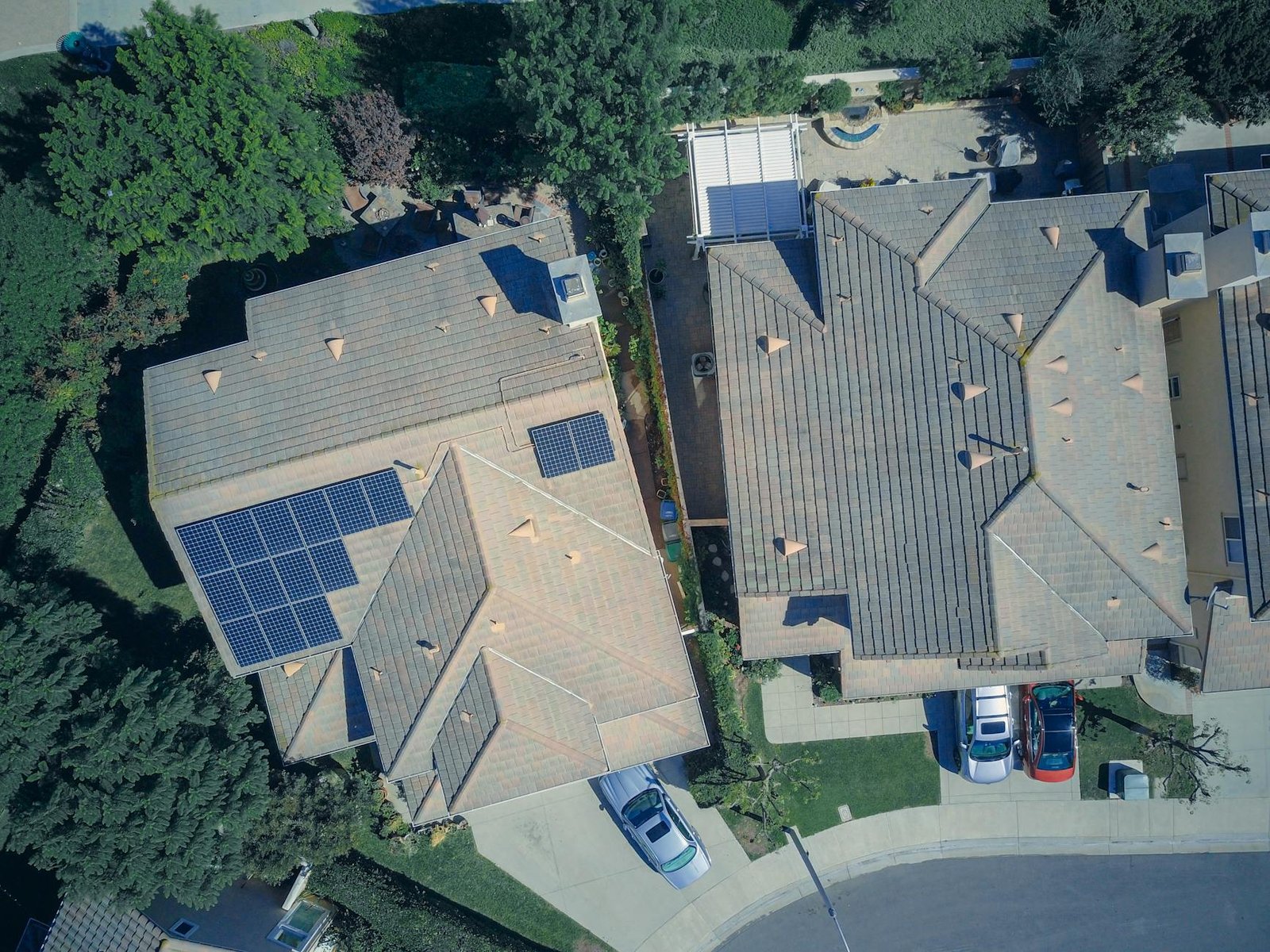
Solar Panels and Permitted Development: What Installers Need to Know
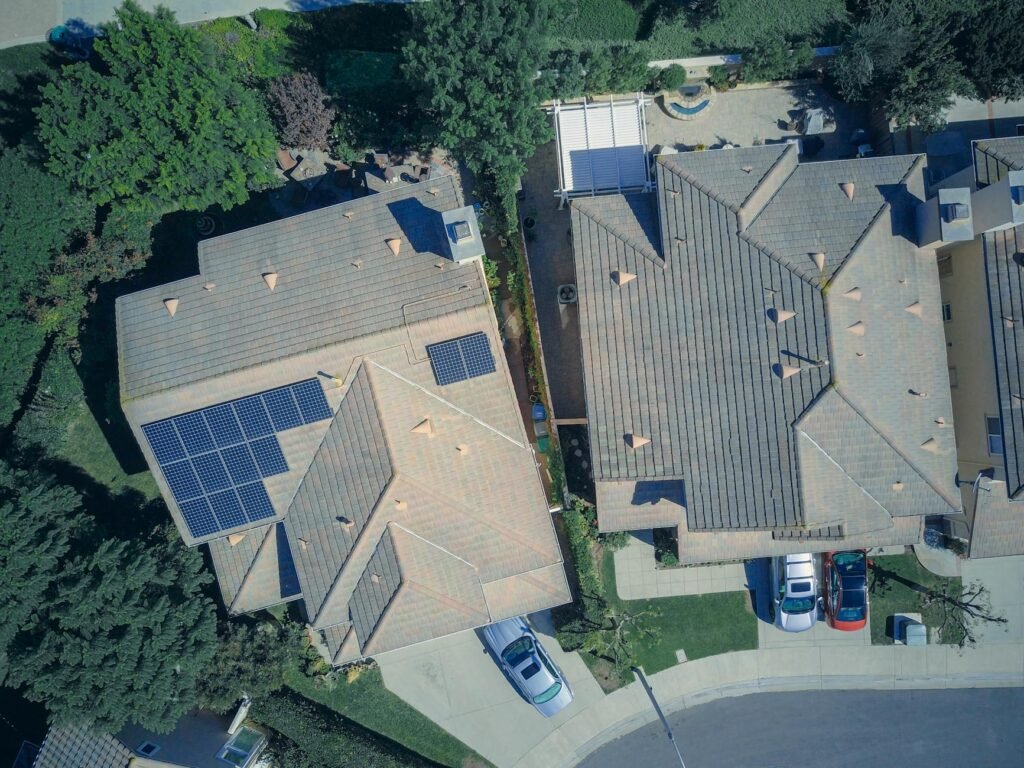
Most residential solar installations in the UK fall under permitted development rights – meaning planning permission is not usually required. But “usually” does a lot of work in that sentence. There are specific circumstances where planning permission is needed, and installing without the correct consent exposes both you and your customer to enforcement action.
This guide covers everything solar installers need to know about planning and permitted development for solar in the UK.
What is Permitted Development?
Permitted development rights allow certain types of construction and installation work to be carried out without making a full planning application. The rules are set nationally but administered locally by planning authorities.
For solar panels on homes in England, permitted development rights allow installation subject to conditions. The relevant legislation is the Town and Country Planning (General Permitted Development) (England) Order 2015.
Wales, Scotland and Northern Ireland have their own planning systems with broadly similar but not identical permitted development rules. Always check the applicable rules for the jurisdiction.
When Solar Panels Are Permitted Development (England)
Solar panels on a dwelling house (house or flat) are permitted development when:
- Panels do not protrude more than 200mm beyond the plane of the roof
- The highest part of the solar installation is no higher than the highest part of the roof (excluding the chimney)
- The installation is not on a wall or roof facing a highway – unless it cannot be seen from the highway
- Materials are as similar in appearance as reasonably practical to the original surface
Additional conditions for conservation areas and World Heritage Sites: panels should not be installed on a wall or roof slope facing the highway. In practice, this means rear-facing panels are generally fine; front-facing panels may be restricted.
When Planning Permission Is Required
Planning permission is required if any of the following apply:
Listed buildings – any installation on a listed building or within its curtilage requires listed building consent and potentially full planning permission. Do not install on listed buildings without this.
Article 4 directions – some local planning authorities have removed permitted development rights in certain areas via Article 4 directions. Check with the local planning authority if in doubt.
Panel protrusion – if panels would protrude more than 200mm from the roof plane, planning permission is needed.
Flat roofs – flat roof installations have different considerations. Panels on a flat roof can generally be installed under permitted development if they’re not visible from the highway.
Commercial premises – solar on commercial buildings has different rules. Not covered by domestic permitted development. A full planning assessment is required.
Practical Guidance for Installers
Always confirm permitted development status before installation. While most residential solar jobs are clearly within permitted development, a quick check at the survey stage prevents problems:
- Is the property listed? (Check the Historic England National Heritage List)
- Is there an Article 4 direction for the area? (Ask the local planning authority or check their website)
- Is the property in a conservation area? (Usually visible on council maps)
- Will the panels protrude more than 200mm?
For jobs that fall within permitted development, no planning application is required and you can proceed with installation. Document your permitted development check as part of your site assessment records.
What to do if planning permission is needed: advise the customer before installation. They must submit a householder planning application to the local planning authority. Timeline: typically 8 weeks. Planning permission is the homeowner’s responsibility, not the installer’s – but you should advise them correctly.
Scotland, Wales and Northern Ireland
Scotland: Solar panels on houses are generally permitted development under The Town and Country Planning (General Permitted Development) (Scotland) Amendment Order 2012. Similar conditions to England.
Wales: Covered by The Town and Country Planning (General Permitted Development) Order 1995 (as amended). Planning rules vary slightly – check Planning Portal Wales.
Northern Ireland: Separate planning system. Check Planning Portal NI.
For jobs across borders, always check the applicable national rules.
Building Regulations (Separate from Planning)
Planning permission and Building Regulations are separate matters. Solar installation does not generally require Building Regulations approval for the panels themselves, but does require it for the electrical installation – managed via your competent person scheme self-certification (NICEIC, NAPIT etc.) rather than a building control application.
Conclusion
The trades industry rewards those who combine excellent work with professional business practices. The guidance above covers the practical fundamentals – applying it consistently is what separates the tradespeople who stay busy and profitable from those who struggle with feast-and-famine cycles. For further guidance, visit Planning Portal: solar panels.
Frequently Asked Questions
Do solar panels always need planning permission?
No. The majority of residential solar installations in England fall under permitted development and do not require planning permission. Planning permission is required for listed buildings, properties with Article 4 directions, and installations that don’t meet the permitted development conditions.What happens if solar is installed without planning permission when it was required?
The local planning authority can issue an enforcement notice requiring removal. This is a legal matter for the homeowner, not the installer – but installing on a listed building without consent is an offence under the Planning (Listed Buildings and Conservation Areas) Act 1990, which could also expose the installer to liability.Can I install solar on a flat?
Solar on a flat’s roof is more complex. Permitted development rights vary – the freeholder’s consent is needed, and if the property is in a conservation area or there are lease restrictions, additional consents may be required. Check before surveying.How do I check if a property is listed?
Search the Historic England National Heritage List (England), Coflein (Wales), or Historic Environment Scotland (Scotland).Related reading: